Many people experience occasional stomach discomfort after eating a heavy or spicy meal. While this is often related to acidity or indigestion, recurring pain in the upper abdomen may sometimes point to a gallbladder problem. Because the symptoms can overlap, gallbladder stones are frequently overlooked until the pain becomes severe.
If you've been searching for the Best Gallbladder Surgery Hospital In Mansarovar, understanding the difference between common digestive issues and gallbladder disease can help you seek medical attention at the right time.
What Is the Gallbladder?
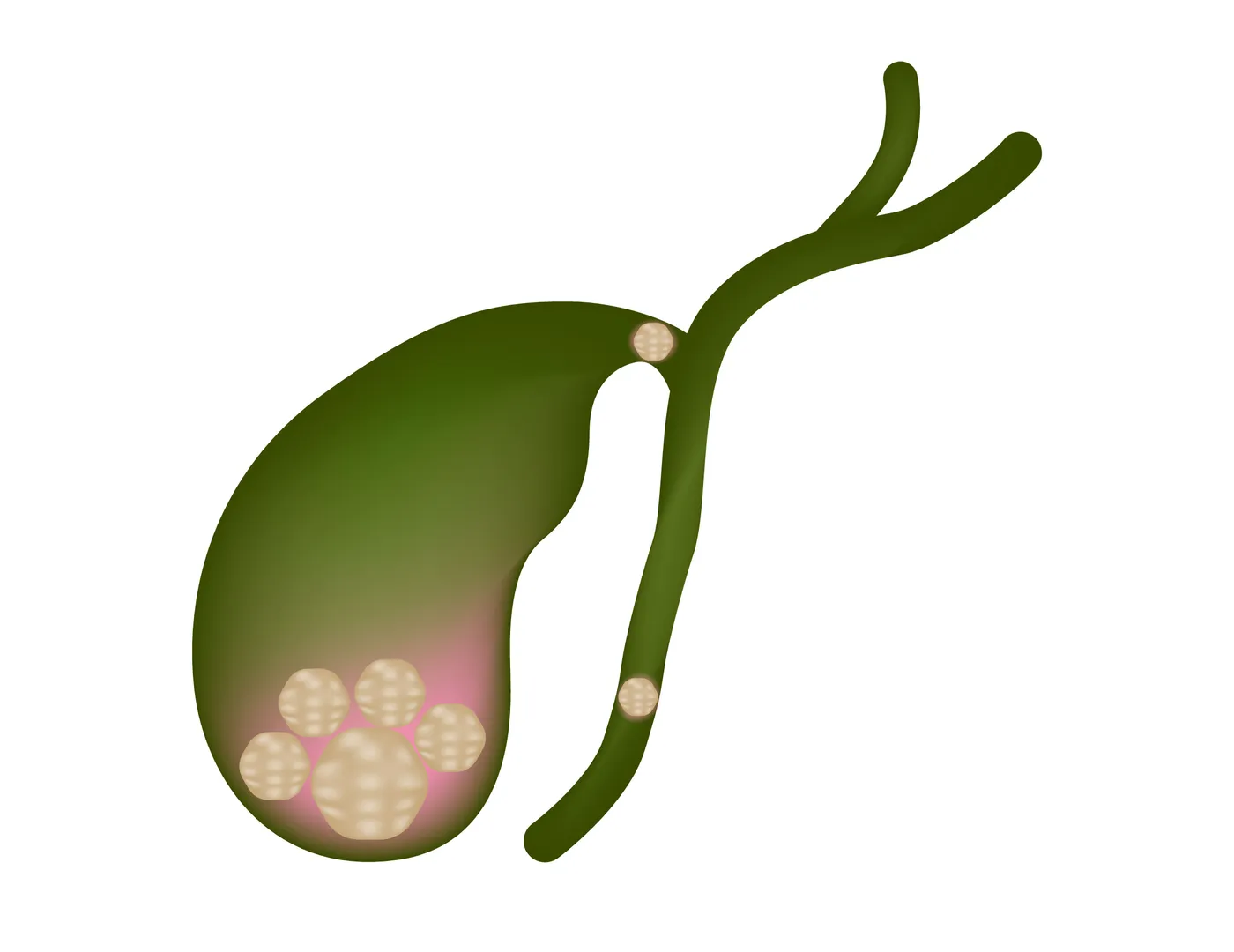
The gallbladder is a small organ located beneath the liver. Its primary role is to store bile, a digestive fluid produced by the liver that helps break down fats in the food we eat.
Sometimes, substances in bile can harden and form gallstones. These stones may remain unnoticed for years or begin causing symptoms when they block the normal flow of bile.
Not everyone with gallstones requires surgery, but persistent symptoms should always be evaluated by a qualified surgeon.
Gallbladder Pain vs. Acidity: What’s the Difference?
Many patients initially mistake gallbladder pain for acidity because both conditions can cause discomfort after meals. However, there are important differences.
Symptoms More Common with Acidity
Acidity or acid reflux typically causes:
- A burning sensation in the chest or upper abdomen
- Sour taste in the mouth
- Bloating
- Burping
- Temporary discomfort after eating spicy or oily foods
These symptoms often improve with dietary changes or prescribed medications.
Symptoms That May Suggest Gallstones
Gallbladder-related pain usually has different characteristics, such as:
- Sudden pain in the upper right abdomen
- Pain after eating fatty meals
- Discomfort that lasts for several hours
- Pain spreading to the back or right shoulder
- Nausea or vomiting
- Repeated episodes of abdominal pain
If these symptoms recur, medical evaluation is recommended rather than relying on self-medication.
Who Is More Likely to Develop Gallstones?
Gallstones can affect both men and women, although certain factors increase the likelihood of developing them.
Risk factors include:
- Being over 40 years of age
- Obesity
- Rapid weight loss
- Family history of gallstones
- High-fat dietary habits
- Pregnancy
- Diabetes
- High cholesterol
Having one or more risk factors does not necessarily mean you will develop gallstones, but regular medical evaluation may be beneficial if symptoms appear.
How Are Gallstones Diagnosed?
The first step is a detailed consultation with a doctor, who will ask about your symptoms and medical history.
Diagnostic investigations may include:
- Physical examination
- Blood tests
- Abdominal ultrasound
- CT scan or MRI in selected cases
Ultrasound is commonly used because it can effectively identify gallstones and assess the condition of the gallbladder.
Accurate diagnosis helps determine whether surgery is necessary or if the condition can be managed through observation and medical care.
When Is Gallbladder Surgery Recommended?
Not every gallstone requires surgical removal. Many people with silent gallstones never experience symptoms.
However, surgery may be considered if you have:
- Recurrent abdominal pain
- Frequent gallbladder attacks
- Gallbladder inflammation
- Infection
- Blockage of the bile duct
- Complications affecting the pancreas
Your surgeon will recommend treatment based on your symptoms, overall health, and imaging findings.
Understanding Laparoscopic Gallbladder Surgery
Today, many gallbladder removal procedures are performed using laparoscopic techniques.
During laparoscopic surgery:
- Small incisions are made instead of one large cut.
- A camera helps the surgeon perform the operation with precision.
- Specialized instruments are used to remove the gallbladder.
When appropriate for the patient's condition, laparoscopic surgery may offer benefits such as smaller scars, reduced post-operative discomfort, and a shorter hospital stay. However, the suitability of this approach depends on individual medical circumstances.
Recovery After Gallbladder Surgery
Recovery experiences vary from person to person, but most patients gradually return to their normal activities after following their doctor's advice.
Post-operative recovery generally includes:
- Walking as advised after surgery
- Eating light meals initially
- Drinking adequate fluids
- Avoiding heavy lifting for a specified period
- Attending scheduled follow-up appointments
- Taking prescribed medications as directed
Your healthcare team will provide personalized instructions based on your recovery progress.
When Should You Seek Immediate Medical Attention?
Certain symptoms require prompt evaluation because they may indicate complications.
Visit a hospital immediately if you experience:
- Severe abdominal pain lasting several hours
- High fever with abdominal pain
- Yellowing of the eyes or skin
- Persistent vomiting
- Difficulty eating due to severe discomfort
- Sudden worsening of symptoms
Timely treatment can help prevent more serious health problems.
Choosing the Right Gallbladder Surgery Hospital
When looking for the Best Gallbladder Surgery Hospital In Mansarovar, it is useful to consider more than just the availability of surgery.
A good hospital should provide:
- Experienced general and laparoscopic surgeons
- Advanced diagnostic facilities
- Modern operation theatres
- Comprehensive pre-operative evaluation
- Post-operative monitoring and follow-up
- Multispeciality support if additional medical care is required
These factors contribute to safer treatment and a better overall patient experience.
Access to Surgical Care in Mansarovar
Residents of Mansarovar and surrounding parts of Jaipur benefit from having advanced surgical services available close to home. Convenient access to consultations, investigations, surgery, and follow-up appointments makes the treatment journey more manageable for patients and their families.
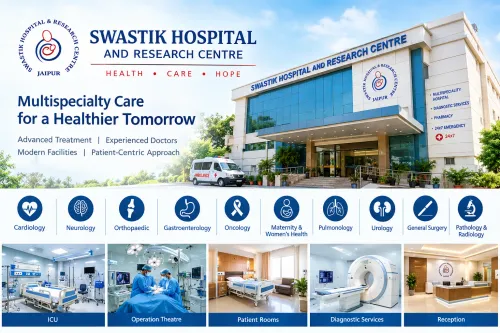
SWASTIK HOSPITAL AND RESEARCH CENTRE offers gallbladder surgery as part of its multispeciality surgical services, supported by diagnostic facilities and coordinated medical care. Patients can also explore swastikhospitaljpr.com to learn more about the hospital's specialties and available treatment options.
Persistent abdominal pain should never be ignored or repeatedly treated as simple acidity without proper evaluation. Understanding the cause of your symptoms and seeking timely medical advice can lead to appropriate treatment, helping you return to your daily routine with greater comfort and confidence.
Keywords