Joint pain, fractures, sports injuries, and age-related bone problems are among the most common reasons people seek medical care. However, one concern often worries patients the most: 'Will I need surgery?' The answer isn't always straightforward. In many cases, orthopedic conditions can be managed successfully without an operation, while others require timely surgical treatment to restore movement and prevent long-term complications.
If you're looking for the Orthopedic Hospital In Mansarovar, understanding the available treatment options can help you have a more informed discussion with your orthopedic specialist.
Not Every Orthopedic Problem Requires Surgery
One of the biggest misconceptions is that visiting an orthopedic hospital automatically leads to surgery. In reality, orthopedic specialists begin with a detailed evaluation to understand the exact cause of your symptoms before recommending any treatment.
The treatment plan depends on factors such as:
- The type of injury or condition
- Your age and overall health
- Severity of symptoms
- Impact on daily activities
- Response to previous treatments
- Imaging and diagnostic findings
Whenever possible, doctors often recommend conservative treatment before considering surgery.
Conditions That May Improve Without Surgery
Several orthopedic problems respond well to non-surgical treatment, particularly when diagnosed early.
These include:
Mild Arthritis
Lifestyle modifications, weight management, medications, and physiotherapy can help reduce pain and improve joint function.
Muscle and Ligament Strains
Minor soft tissue injuries often heal with adequate rest, ice application, rehabilitation exercises, and guided physiotherapy.
Early Tendon Disorders
Inflammation involving tendons may improve with activity modification, medication, and structured rehabilitation.
Back and Neck Pain
Many cases caused by poor posture, muscle strain, or prolonged sitting can improve through posture correction, strengthening exercises, and physiotherapy.
Early intervention often prevents these conditions from progressing.
When Surgery May Become Necessary
Certain orthopedic conditions cannot heal properly without surgical treatment.
Your doctor may recommend surgery if:
- A fracture is unstable or displaced.
- A ligament is completely torn.
- Joint damage severely limits mobility.
- Conservative treatment has not relieved symptoms.
- Nerve compression causes weakness or persistent pain.
- Bone deformity affects function.
The decision is always based on careful clinical evaluation rather than symptoms alone.
Common Orthopedic Surgeries
Depending on the diagnosis, orthopedic surgeons perform various procedures to restore movement and reduce pain.
Some commonly performed surgeries include:
- Fracture fixation
- Joint replacement surgery
- Arthroscopic knee surgery
- Shoulder repair procedures
- Ligament reconstruction
- Tendon repair
- Spine surgery in selected cases
Each procedure has different recovery timelines and rehabilitation requirements.
The Role of Physiotherapy
Physiotherapy is an essential part of orthopedic treatment, whether surgery is required or not.
It helps by:
- Improving flexibility
- Increasing muscle strength
- Restoring joint movement
- Reducing pain
- Preventing stiffness
- Supporting recovery after surgery
Patients who actively participate in rehabilitation often experience better functional outcomes.
How Orthopedic Specialists Decide on Treatment
Doctors use several factors before recommending surgery.
These may include:
Physical Examination
Movement, strength, swelling, and joint stability are carefully assessed.
Diagnostic Imaging
X-rays, MRI scans, CT scans, or ultrasound imaging help identify fractures, ligament injuries, arthritis, and other structural problems.
Lifestyle Requirements
A young athlete and an elderly patient with the same injury may receive different treatment recommendations based on their activity levels and recovery goals.
Overall Health
Existing conditions such as diabetes, osteoporosis, or heart disease may influence treatment planning.
This personalized approach ensures that each patient receives care appropriate for their individual needs.
Recovery Depends on More Than the Procedure
Whether treatment involves medication, physiotherapy, or surgery, recovery requires active participation from the patient.
Following your doctor's recommendations can make a significant difference.
Recovery usually involves:
- Taking medications as prescribed
- Performing rehabilitation exercises regularly
- Attending follow-up appointments
- Avoiding activities that delay healing
- Maintaining good nutrition
- Reporting new symptoms promptly
Successful recovery is often the result of consistent teamwork between the patient and the healthcare team.
Choosing the Right Orthopedic Hospital
If you're searching for an Orthopedic Hospital In Mansarovar, consider looking beyond the availability of surgery alone.
A well-equipped orthopedic hospital should provide:
- Experienced orthopedic specialists
- Modern diagnostic facilities
- Emergency fracture management
- Conservative treatment options
- Advanced surgical care when needed
- Physiotherapy and rehabilitation services
- Multispeciality support for complex medical conditions
Having all these services available in one place can simplify treatment and improve continuity of care.
Why Multispeciality Care Matters
Orthopedic patients often have additional medical conditions that require coordinated management.
For example:
- Older adults may have osteoporosis or diabetes.
- Accident victims may require emergency care from multiple specialists.
- Surgical patients may benefit from physician, anesthesiology, and rehabilitation support.
A multispeciality hospital allows different healthcare professionals to work together throughout diagnosis, treatment, surgery, and recovery.
Orthopedic Care Close to Home
For residents of Mansarovar and nearby areas of Jaipur, having access to comprehensive orthopedic services within the community offers practical advantages. Convenient access to consultations, diagnostic investigations, surgery when required, and rehabilitation helps reduce travel while supporting regular follow-up care.
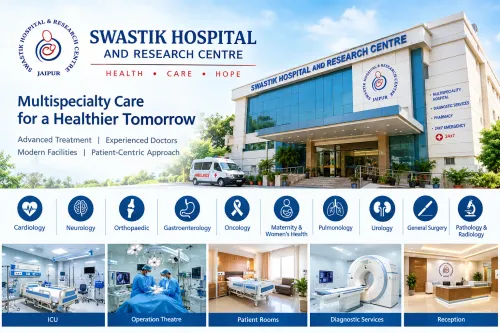
SWASTIK HOSPITAL AND RESEARCH CENTRE offers orthopedic services as part of its multispeciality healthcare facilities, providing patients with access to diagnosis, treatment, surgical care, and post-treatment follow-up under one roof. Additional information about available specialties can be found on swastikhospitaljpr.com.
Whether your orthopedic condition requires physiotherapy, medication, or surgery, the most important step is obtaining an accurate diagnosis. Timely medical evaluation allows appropriate treatment to begin early, helping patients manage pain, restore mobility, and return to their everyday activities with greater confidence.
Keywords