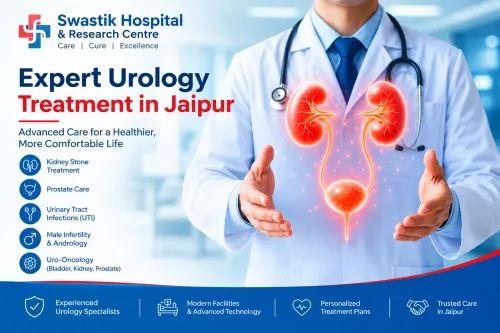
Kidney stones are one of the most common urological conditions affecting adults today. While some stones remain small and pass naturally, others can cause intense pain, urinary blockage, infection, or complications if left untreated. The good news is that modern urology offers a range of treatment options based on the size, location, and type of stone.
If you're searching for the Best Urology Hospital In Mansarovar, it's helpful to understand how kidney stones are diagnosed, what treatment options are available, and what factors to consider before choosing a hospital.
What Are Kidney Stones?
Kidney stones are hard mineral deposits that form inside the kidneys when certain substances in the urine become concentrated and crystallize. They can vary in size from tiny ps to larger stones that obstruct the urinary tract.
Several factors may increase the risk of developing kidney stones, including:
- Inadequate water intake
- High salt consumption
- Diets rich in animal protein
- Obesity
- Family history of kidney stones
- Certain metabolic disorders
- Recurrent urinary tract infections
Not everyone with these risk factors develops kidney stones, but maintaining healthy habits can reduce the likelihood.
Symptoms That Should Not Be Ignored
Small kidney stones may not cause noticeable symptoms until they begin moving through the urinary tract. Once this happens, patients often experience sudden and severe discomfort.
Common symptoms include:
- Sharp pain in the back or side
- Pain that radiates toward the lower abdomen or groin
- Burning sensation while urinating
- Blood in the urine
- Frequent urge to urinate
- Nausea or vomiting
- Fever and chills if an infection is present
Severe pain or symptoms accompanied by fever require prompt medical attention, as they may indicate a blocked urinary tract or infection.
How Are Kidney Stones Diagnosed?
Accurate diagnosis is essential because treatment depends on the size, location, and number of stones.
A urologist may recommend:
- Physical examination
- Urine analysis
- Blood tests
- Ultrasound
- CT scan
- X-rays in selected cases
These investigations help determine whether the stone is likely to pass naturally or requires medical intervention.
Treatment Options for Kidney Stones
One of the most common concerns patients have is whether surgery is always necessary. In reality, treatment varies from person to person.
Conservative Management
Very small stones may pass naturally with:
- Adequate hydration
- Prescribed medications
- Pain management
- Regular medical follow-up
Patients should never attempt to self-manage severe symptoms without medical advice.
Minimally Invasive Procedures
If stones are too large to pass naturally or cause persistent symptoms, minimally invasive treatment may be recommended.
Depending on the clinical situation, options may include:
- Shock wave therapy for selected stones
- Ureteroscopy
- Endoscopic stone removal
- Other advanced urological procedures
Your urologist will explain the most appropriate treatment based on imaging findings and overall health.
Surgical Treatment
In some situations, surgery may be required, particularly for large, complex, or obstructive kidney stones. Advances in surgical techniques have made many procedures less invasive than traditional open surgery.
Why Timely Treatment Matters
Ignoring kidney stone symptoms can increase the risk of complications.
Delayed treatment may lead to:
- Urinary tract infections
- Kidney swelling
- Persistent urinary blockage
- Reduced kidney function
- Recurrent severe pain
Early diagnosis allows doctors to begin treatment before complications develop.
Preventing Future Kidney Stones
Patients who have experienced one kidney stone have a higher chance of developing another. Preventive measures play an important role in reducing recurrence.
Doctors commonly recommend:
- Drinking adequate water throughout the day
- Limiting excessive salt intake
- Following dietary advice based on stone type
- Maintaining a healthy weight
- Managing underlying medical conditions
- Attending follow-up evaluations
In some cases, additional laboratory tests help identify metabolic causes that increase stone formation.
What to Look for in a Urology Hospital
When choosing the Best Urology Hospital In Mansarovar, several factors contribute to high-quality care.
Consider a hospital that offers:
- Experienced urologists
- Modern imaging facilities
- Advanced stone treatment technology
- Minimally invasive treatment options
- Emergency care for severe kidney stone attacks
- Comprehensive post-treatment follow-up
A hospital with multidisciplinary support is also beneficial for patients who have diabetes, hypertension, or other medical conditions requiring coordinated care.
Why a Multispeciality Hospital Offers Added Value
Kidney stone treatment sometimes involves collaboration between different specialties.
For example:
- Radiologists assist with imaging.
- Physicians help manage diabetes or hypertension.
- Anesthesiologists support surgical procedures.
- Laboratory services assist with diagnosis and follow-up.
Receiving these services within one hospital allows for smoother communication between healthcare professionals and greater convenience for patients.
Access to Urology Care in Mansarovar
Residents of Mansarovar and nearby areas of Jaipur benefit from having specialized urology services available locally. Easy access to consultations, imaging, emergency treatment, and follow-up appointments helps patients receive timely care while reducing unnecessary travel during painful episodes.
SWASTIK HOSPITAL AND RESEARCH CENTRE provides urology services as part of its multispeciality healthcare facilities, offering diagnostic evaluation, medical management, and surgical care for a range of urinary tract conditions. Patients interested in learning more about available specialties can also visit swastikhospitaljpr.com.
Finding the Best Urology Hospital In Mansarovar is about more than selecting a facility close to home. It means choosing a hospital with experienced specialists, advanced diagnostic capabilities, comprehensive treatment options, and a patient-focused approach. Early medical evaluation and appropriate treatment can help relieve symptoms, protect kidney health, and reduce the likelihood of future complications.
Keywords